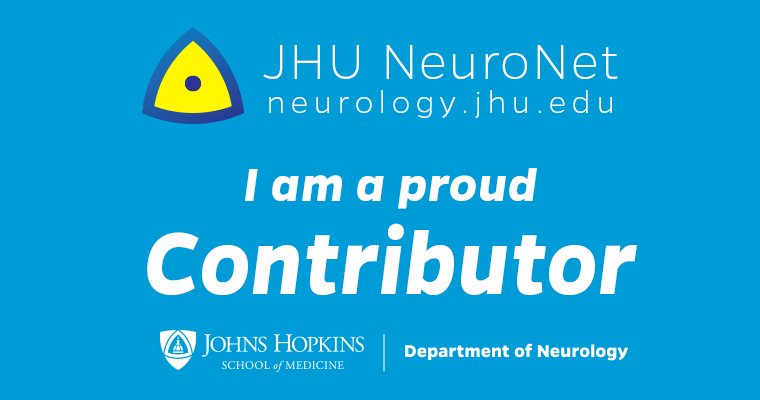
NeuroNet — Contributor Engagement Campaign / Design System
A participation-focused campaign designed to increase contributor engagement within a large academic medical department.
-
Date: December 2017 – June 2019
-
Institution: Johns Hopkins University Department of Neurology
-
Principal Investigator: Charlene E. Gamaldo, MD
-
Role: Principal Software Engineer / Visual Designer
-
Focus of this case study: Contributor engagement and participation campaign
*Note: Platform and CMS architecture are documented in a separate NeuroNet case study.
Overview
NeuroNet is the internal digital hub for the Johns Hopkins University School of Medicine Department of Neurology, supporting communication, documentation, grants, and departmental initiatives. While the platform provided essential infrastructure, contributor participation remained a challenge—particularly across a large, distributed academic community.
This project focused on designing a visual and messaging campaign to increase contributor engagement by reinforcing visibility, recognition, and shared ownership within NeuroNet.
Challenge
How can an internal academic platform encourage consistent contribution by making participation visible, meaningful, and socially reinforced—without relying on mandates or administrative pressure?
Design Approach
Rather than treating contribution as a background task, the campaign reframed participation as a shared departmental identity. Visual communication was used to signal recognition, legitimacy, and collective impact, helping contributors see themselves as active participants rather than passive users.
Key considerations included:
-
Making contribution visible and valued
-
Reinforcing trust through institutional alignment
-
Creating lightweight, repeatable engagement touchpoints
-
Supporting participation across varying roles and seniority levels
Process & Decisions
-
Designed a Contributor identity system that publicly acknowledged participation
-
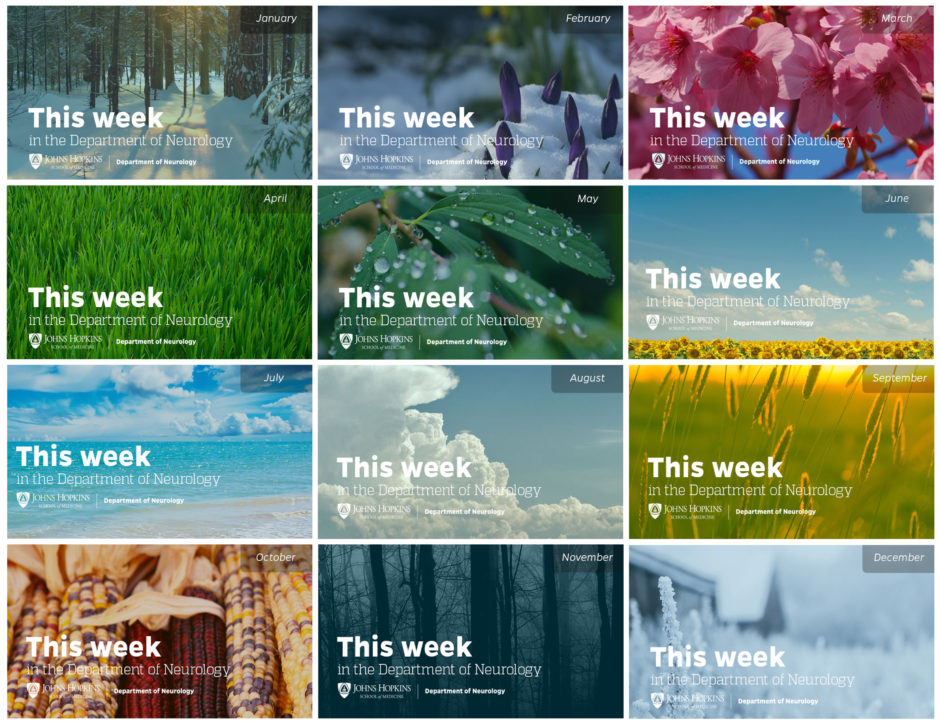
Created campaign graphics aligned with institutional branding to reinforce legitimacy
-
Developed repeatable visual templates for announcements, updates, and calls for contribution
-
Integrated campaign messaging directly into NeuroNet touchpoints to reduce friction
-
Used consistent visual language across grants, events, documents, and announcements
The campaign emphasized clarity and pride rather than gamification, aligning with academic culture and professional norms.
Outcome & Reflection
The contributor campaign helped shift NeuroNet from a passive information repository into a participatory departmental platform. By making contribution visible and socially reinforced, the campaign supported increased engagement without introducing additional administrative burden.
This work highlighted how design can influence organizational behavior—not by enforcing compliance, but by shaping perception, recognition, and shared identity. It continues to inform how I approach participation design in complex institutional systems, where motivation and trust are as critical as functionality.